KAREN CHARLTON
  • Home
  • Author
  • The York Ladies' Detective Agency Mysteries
    • The Mystery of Mad Alice Lane
    • Smoke & Cracked Mirrors
    • Dancing With Dusty Fossils
  • The Detective Lavender Mysteries
    • The Heiress of Linn Hagh
    • The Sans Pareil Mystery
    • The Sculthorpe Murder
    • Plauge Pits & River Bones
    • Murder on Park Lane
    • The Willow Marsh Murder
    • The Resurrection Mystery
    • The Poisoned Quill
  • Detective Lavender Short Stories
    • Death At The Frost Fair
    • The Death of Irish Nell
    • The Piccadilly Pickpocket
    • The Mystery of the Skelton Diamonds
  • Catching the Eagle & February 1909
    • Catching the Eagle
    • February 1809
  • Seeking Our Eagle
  • Blog
  • Contact
  • Events
  • Genealogy
    • James Charlton Senior (1700-1770)
    • John Charlton (1746-1818)
    • 'Pious John' Charlton (1769-)
    • James 'Jamie' Charlton (1774- )
    • The mysterious William Charlton
    • The Family Tree: Ten generations
Welcome to the official website of historical novelist KAREN CHARLTON

An Author In The Making

29/7/2021

0 Comments


A WRITER IS BORN

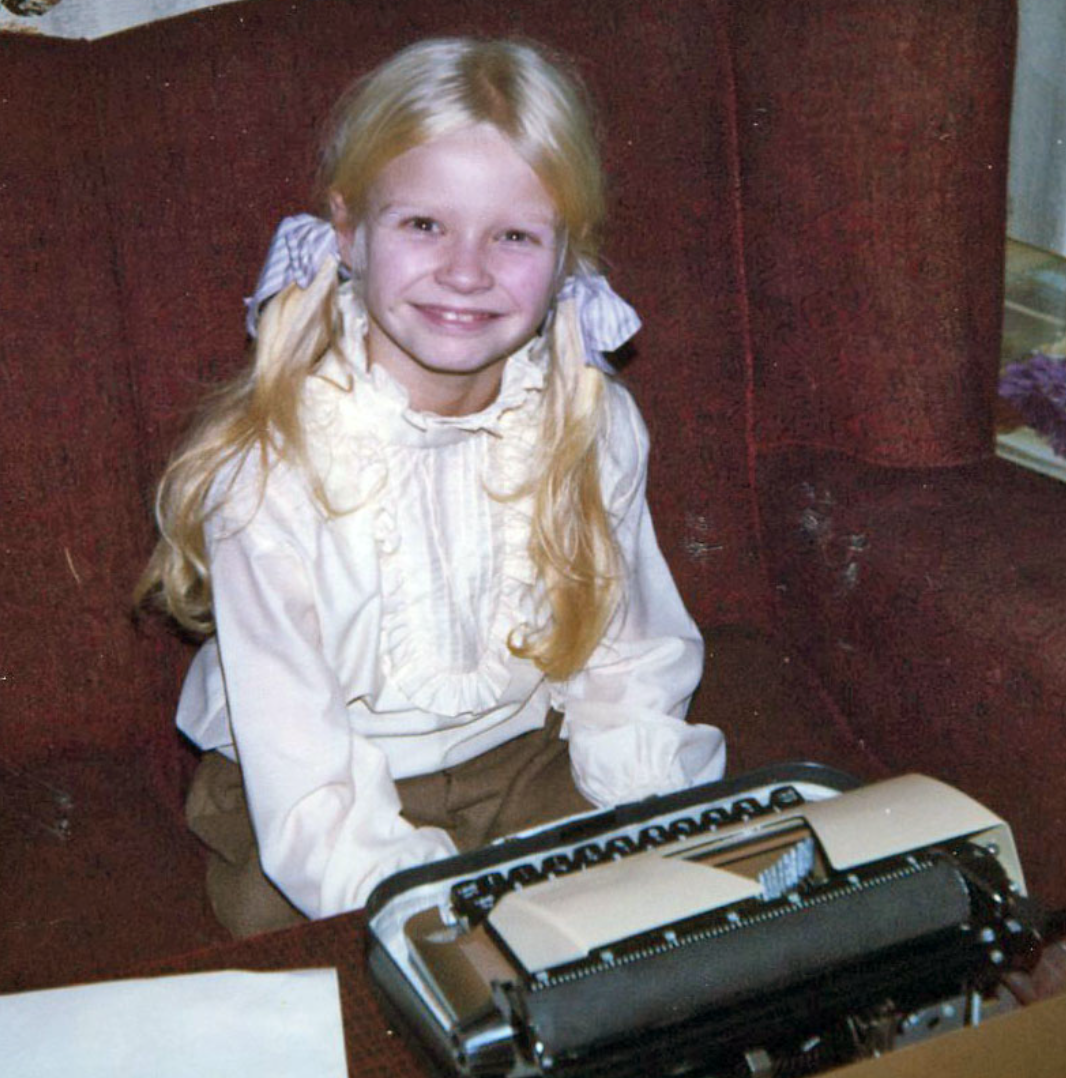
This little gem turned up recently when my Dad was going through some old photographs. It's me, aged nine, with my brand new typewriter.
I love that gleam of happiness in my eyes...I was already plotting my first mystery novel, Circus Girl Josie and the Kidnappers.
A writer was born that Christmas. 
Picture
0 Comments

Review: Winston Graham's Suspense Novels

1/4/2019

1 Comment


Winston Graham, the creator of Poldark: 
Was He Any Good As a suspense Writer?

The Poldark series, the story of Ross and Demelza Poldark and Ross’ nemesis, George Warleggan, are my all-time favourite historical novels. I’ve read and re-read these thirteen books repeatedly over the last forty years. I’m also a huge fan of the TV Series and it’s no surprise to anyone who knows me, that my children are called Ross and Elizabeth.
 
Until recently, I was only vaguely aware that this prolific author wrote another thirty books, mostly suspense novels. Several of them were turned into films and one of them, The Little Walls,  won him a prestigious Dagger Award from the Crime Writers’ Association in 1955. I’d never read any of them until last year when, out of sheer curiosity, I started to download them onto my kindle. Worried in case I missed a gem – but also warily conscious that these were written for my grandparent’s generation – I systematically worked my way through them in order of publication. 
Picture
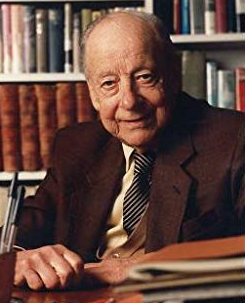
Winston Graham
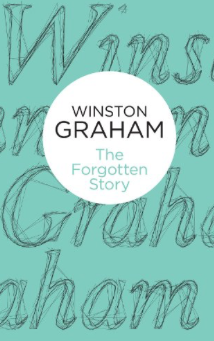
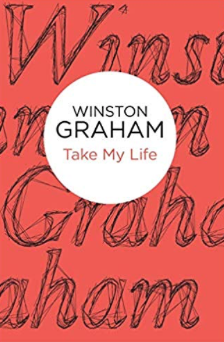
Winston Graham was first published in 1934, aged twenty-six, and to be honest, by our standards, his first few novels were very average, dated and a bit awkward.  But by the time I reached The Forgotten Story (1945) – published the same year as the first novel in the Poldark series – and Take My Life (1947) I realised that my favourite story-teller had finally got into his stride, perfected his style and honed his trademark ability to depict realistic, humorous and coldly chilling characters from all sections of society.  
 
Take my Life is a superb London-based thriller and courtroom drama about an intelligent and confident young woman determined to clear her husband’s name when he’s accused of murdering his former girlfriend.  Meanwhile, The Forgotten Story is a historical novel set in the maritime world of Graham’s beloved Cornwall. It’s a gripping tale of murder, deceit and lost love with a full cast of heavy-drinking seafaring secondary characters and a strangely unsettling murderer who would give most of the protagonists of modern psychological thrillers a good run for their money.  
 
Both books are rippling with tension and pace. The Forgotten Story contains a terrifying shipwreck and Take My Life includes a dramatic steam train dash from Edinburgh to London.
 
But the best bit about them for me is that despite their antiquity, they both feature clever, independent young female characters who ignore the restrictions of their era and are determined to control their own destinies. This modern attitude gives these seventy-year-old novels a contemporary feel which I appreciate. I probably should have expected this from the man who created Demelza Poldark. Winston Graham rivals Shakespeare with his vivid depiction of lively, confident and memorable women.
 
Anyway, I thoroughly recommend both these novels and commend them to your readers. 
 
As for me, that’s eleven down with just another nineteen to go. I’m looking forward to the journey. See you on the other side. 
Picture
Picture
1 Comment

ARTICLE: WRITERLY FRIENDS

29/4/2018

1 Comment

 
Picture

"Birds of a feather Flock together"

We’re all familiar with the stereotypical image of the lonely and isolated author scribbling away in a cold garret – but after five years as a full-time author, I know that nothing is further from the truth.  Writers rarely work successfully in a vacuum. They need other writers – and actively seek them out.
 
The scaffolding behind a literary work can appear baffling to the non-writer. Authors need each other for support, inspiration and sometimes for collaboration.  Only our fellow scribblers truly understand our obsession with plot holes, narrative structure and character development. Writers need to be able to put aside their fear of competition and intellectual theft and reach out to their peers. They need to find the confidence to ask each other for help and find the time and energy to offer mutual support. It’s a foolhardy and ego-centric writer who believes they can create a masterpiece in complete isolation, negotiate the complex world of publishing alone – and retain their sanity.
Picture
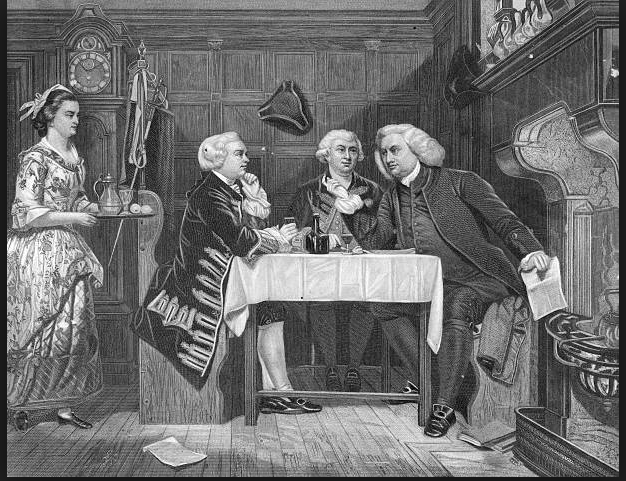
Oliver Goldsmith with James Boswell and Samuel Johnson
From Shakespeare to the Bloomsbury group, the history of literature is full of strong and supportive friendships between writers. When Shakespeare's first folio was published, his friend and fellow playwright, Ben Jonson , wrote a glowing introduction to the manuscript. In the eighteenth century, James Boswell, Samuel Johnson and Oliver Goldsmith were great friends and the first two toured Scotland together. A few years later, Lord Byron and the Shelleys were travelling through Europe together when Mary Shelley wrote Frankenstein. Meanwhile, Wordsworth and Coleridge were inspiring each other’s poetry and co-wrote The Lyrical Ballads.
​ 

In the mid 19th century, Charlotte Brontë and Elizabeth Gaskell exchanged candid views on literature and publishing and shared artistic and professional concerns.  Charlotte also acted as a sounding board for her friend’s literary ideas.  Wilkie Collins and Charles Dickens were friends for over twenty years and collaborated on short stories. 
​
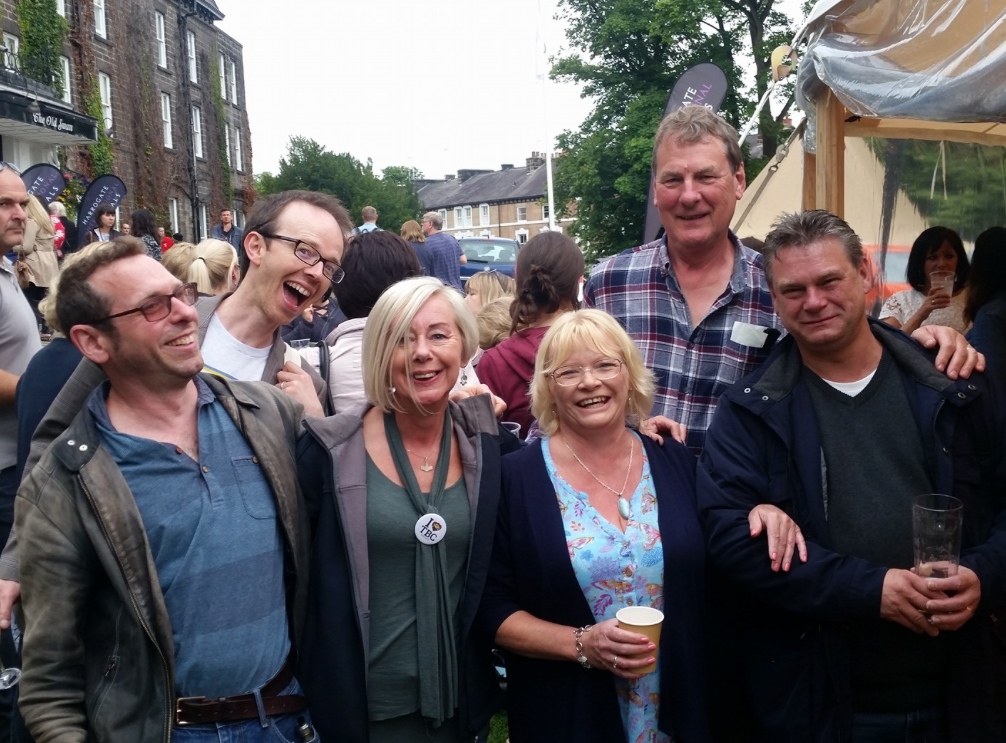
PictureWith friends and fellow- authors at The Theakstones' Crime Festival, Harrogate.


Modern writers flock to literary festivals and conferences like migrating birds. Happy to be released from the solitary confinement of their gilded writing cages, they chatter like starlings while they gather information about rogue publishers; audio-book narrators and the latest developments in successful self-publishing. They share their marketing concerns and their fears about the dreaded mid-list. Virtual friendships are consolidated and promises of future collaboration are made. It’s impossible to shut up an excited group of authors who’ve escaped from the office for a day or two. My jaw often aches when I return from the Harrogate Crime Festival.
 
At the moment, three of my best writing buddies are reading the manuscript of my seventh book. A fourth friend, who owns a horse, has already looked over every scene where my police officers are on horseback. The girls will come back to me with an honest evaluation of the novel’s strengths and weaknesses before I submit it to my publishers for official editing. I’ve sold over 350,000 copies of my books in the last five years but still feel I need their validation. These girls are all successful Historical and Crime Fiction writers in their own right and they are my rocks. I couldn’t have done any of it without their support. And this relationship works both ways; I’m always happy to take time out from my own writing to help them.
Picture
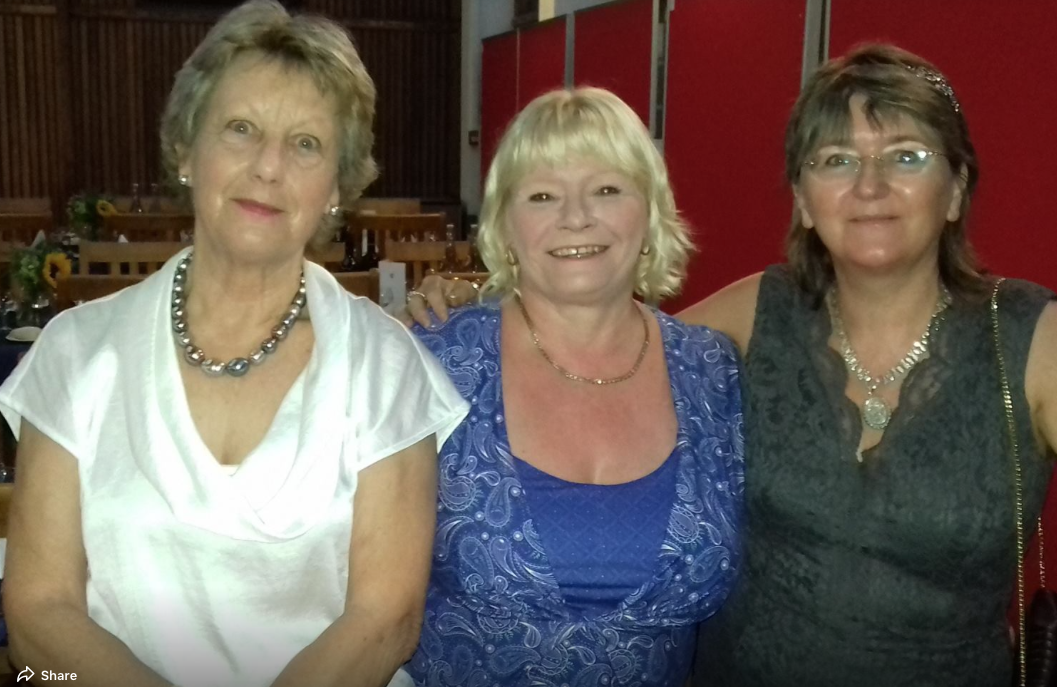
With two of my best writing buddies, Jane Harlond and Jean Gill at the Oxford Historical Novelists' Society conference
But how can an aspiring author build up a network of like-minded professional authors? Where do you start making writerly friends? After all, Ian Rankin, Lisa Hall and J.K. Rowling won’t become your best buddies just because you drop them an email and ask them to befriend you. That approach is more likely to get you arrested for stalking.
 
Most unpublished, aspiring authors start off with the local writing group for peer support. It can be a beneficial experience and many writers make life-long friends through these groups but it can also have drawbacks. It depends on the group. The other writers there might not understand or appreciate your genre – and you might not like theirs. My local group leader wrote erotica and another member wrote gruesome crime novels, full of horrific murder and graphic rape scenes. While I appreciated the constructive criticism they gave me, I squirmed with discomfort when it was time to listen to their latest chapters.  
 
A far better approach is to join an online writing group and pick and choose what you want to do and whom you want to know. I met three of my best writing friends through the now-defunct online writers’ community, Authonomy. We exchanged many emails then arranged to meet up face-to-face and became good personal friends who holiday together. They’d just started out like me and our careers have grown together. Most online writing groups also offer a critique section, and although it’s time-consuming to read and critique other people’s work, the payback is huge if you get involved. I feel I learned more about the writers’ craft from the other members of Authonomy than I would ever have learned from a master’s degree in Creative Writing. Thanks to the advice I received, I adjusted the opening chapters of my debut novel and found my first publisher.
Picture
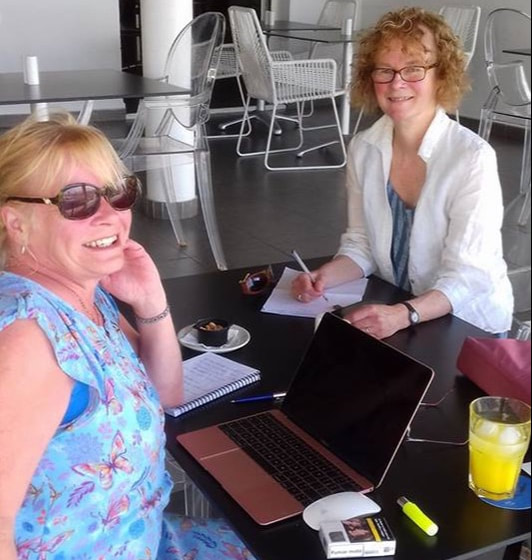
With friend and fellow author, Kristin Gleeson, on a 'working holiday' in Gran Canaria.
Most new authors join some of the associations set up to promote their genre. I’m a member of both the Historical Novel Society and the Crime Writers’ Association. There are also more generic societies out there who provide legal and business advice like The Society of Authors. Most of these organisations have a members’ area on their websites and related Facebook pages where you can chat about your work with like-minded souls.
 
The fellow authors in your first publishing house are another great source of writerly friends. Some publishers actively encourage their authors to get to know each other and set up a community forum where they can share news of promotions and ask each other for help. Unfortunately, my own first publisher was a paranoid crook who discouraged any form of communication between her authors in case we found out the truth about her operation. Desperately worried that I’d made a huge mistake, I contacted several of them anyway. They felt exactly the same as me and we formed a tight-knit group which helped us to deal with her and our disappointment. Eventually, we worked together to get her to release us from our contracts and return the publishing rights of our novels. We’ve remained good friends ever since – and she’s gone out of business.
 
My miserable first experience of the publishing world highlights another reason why writers can’t survive in isolation. Publishing is one of the most corrupt businesses on the planet. There’s plenty of sharks out there who prey on the naïvety and desperation of aspiring authors. There’s safety in numbers and genuine consolation available if your publisher folds and disappears into the ether with your royalties. Most authors have had at least one bad experience like this.
 
But, on a more positive note, when all your scribbling works out and your precious stories start to sell, writing for a living is still the best, most rewarding job in the world. Writers really do live the dream.
 
Provided, that is, you’ve got some mates by your side.

1 Comment

Article: Thoughts about book covers

23/10/2016

2 Comments


'PLAGUE PITS & RIVER BONES':
BOOK COVER MUSINGS...


One of the most enjoyable things about writing a novel is playing with ideas for the book cover. Usually, by the time I'm half-way through a manuscript (which is where I am at the moment) I've some idea about what I would like on the front cover of the finished book. For me, it's always about the location of the story.
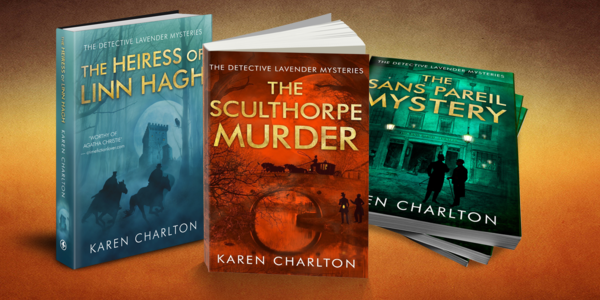
My publishers don't ask me for ideas until I've handed over the manuscript. The book cover design usually runs concurrently with the editing. APub use a very talented designer, called Lisa Horton, for my novels and I love everyone of them. Lisa rose to my challenge and created a fictional Northumbrian pele tower for 'Heiress' but I was more helpful with 'The Sans Pareil Mystery' and gave her pictures, pulled from the Internet, of the original Sans Pareil Theatre. Last year, I walked along the Market Harborough canal tow path and took photos of all the old bridges to help her with the design of the book cover for 'The Sculthorpe Murder.'
Picture
The River Thames was always going to feature on the front of 'Plague Pits & River Bones' because it's the river mentioned in the title. Originally, I toyed with the idea of using the stretch at Greenwich with the Royal Naval Hospital in the background. However, I've now changed my mind and decided that the old Westminster Bridge and the old Palace of Westminster will grace the cover of this new novel.
Both the bridge and the parliament buildings have been rebuilt since 1812, the year of this novel. Fortunately, there are plenty of paintings from the period to show us what it used to look like - many of them are painted by Canaletto. They're fascinating. I cannot get over how empty the banks of the Thames were two hundred years ago - and how wide the river seems to be without skyscrapers looming over it. Once upon a time, London was a city with a big sky.  

Anyway, have a look at the inspirational paintings below and see what you think.
2 Comments

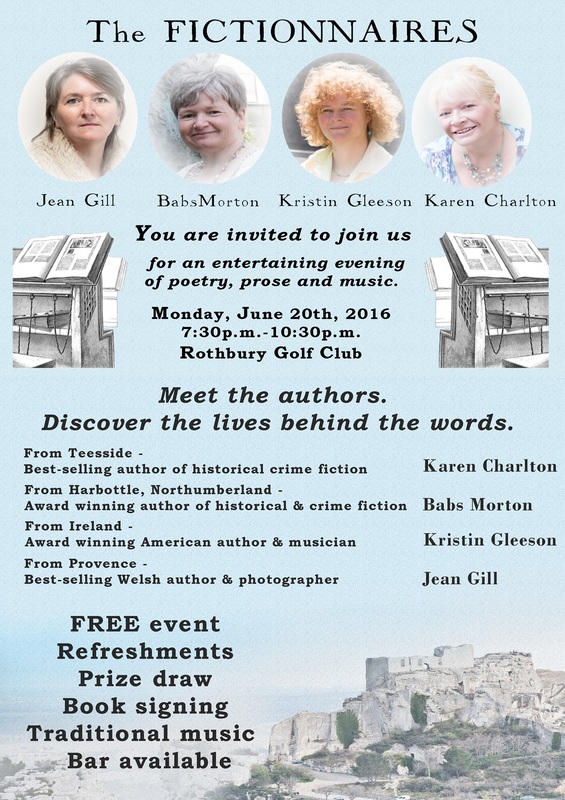
News: Rothbury Literary Evening

26/4/2016

0 Comments

 
Picture
0 Comments

2015 in Review: Books

30/12/2015

1 Comment


The Best & Worst of the Books I Read in 2015

It is not always easy for me to find time to simply read for pleasure. Apart from writing my own books, I receive many requests from fellow authors every year to read and review their novels, which is usually, although not always, a pleasure. Fortunately, I managed to to find some quality reading time during my recent holiday to Cyprus and was able to indulge in my passion. 

In this blog, I thought I'd share my thoughts about the best and worst fiction I've come across in 2015. I have also included my most surprising book of the year and the one I was most anticipating.

My Favourite Book of 2015
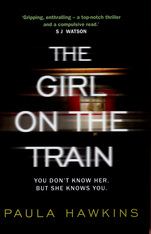
The Girl on the Train - Paula Hawkins

Picture
What’s to say that hasn’t already been said about this novel? 

​It’s a brilliant book – and far, far better than its American rival, 
Gone Girl in which the two main characters are over-shadowed by their egos and the writer robs us of a satisfactory ending in order to set up the sequel. 

I don’t normally like present tense narration but Paula Hawkins is an expert in its use and skilfully draws you into the conflicted minds of her three female narrators. She takes the reader backwards and forwards through time and creates a palpable sense of tension as the narrations start to coincide and become chronological.
​
I liked the crazy, screwed-up characters in The Girl on the Train – especially Rachel – and the book came to a wonderful Karmic ending when the villain got it in the neck – literally.  

Biggest Literary Disappointment of 2015
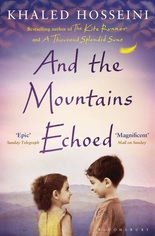
And The Mountains Echoed - Khaled Hosseini

Picture
Khaled Hosseini really disappointed me with his novel, And the Mountains Echoed.  Hosseini is one of my favourite authors. I had this book on my Kindle for years and waited until I was on holiday and could savour it. I was devastated to find out that it had no plot.

And the Mountains Echoed
is a disjointed series of short stories which introduce dozens of characters loosely connected to a house in Kabul over a period of sixty years.  You need to take notes in order to keep track of who's who and the character’s random connections with each other. I abandoned the novel twice in frustration and confusion and only finished it because I thought that there would be an amazing ending where everything would suddenly become clear.

​There wasn’t and it didn’t. 

Most Anticipated Book of 2015
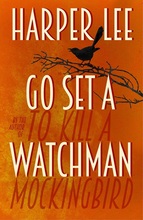
Go Set a Watchman - Harper Lee

Picture
For me, the publishing highlight of the year had to be Go Set a Watchman by Harper Collins. To kill a Mockingbird is one of my all-time favourites and like millions of others around the world I waited with bated breath for the sequel.  Or was it a prequel? Or was it just a first attempt at fiction, discarded when the author realised she had the seeds of a far, far, bigger story in the rape trial of Tom Robinson seen through the eyes of a seven year-old child? Was it actually possible to follow To Kill a Mockingbird?

I adored parts of Go Set a Watchman and laughed out loud on my sunbed in Cyprus when I read about the further adventures of Jem and Scout. This was Harper Lee at her best. But the over-riding emotion I had when I’d finished the novel was sympathy for the author. This book left me with mixed feelings of disappointment and pleasure.  I have no idea, or not, if Lee was pressurised into releasing this novel against her better judgement but part of me wishes she hadn’t.

And part of me is glad that she did. 

Biggest Literary Surprise of 2015
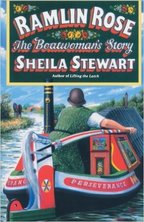
Ramblin' Rose: The Boatwoman's Story
​
- Sheila Stewart

Picture
I love this book. I read my mother’s copy many years ago and I picked it up again in 2015 to dip into as part of a research project for my current novel but found that I wasn’t able to put it down. Sheila Stewart gives Rose such a distinctive voice that you are hooked from the first page.
​
Rose’s narrative is a fascinating, unsentimental account of the life (and death) of the men and women who worked ours canals during the first fifty years of the nineteenth century. It vividly recreates their culture, traditions, hardships and tragedies. But it also reveals the incredible love, pride and strong-bond between this close-knit, free-floating community who were isolated from land-locked Britain for generations.


1 Comment

News: Researching in Northamptonshire

14/8/2015

0 Comments


The Setting Of 
'The Sculthorpe Mystery'

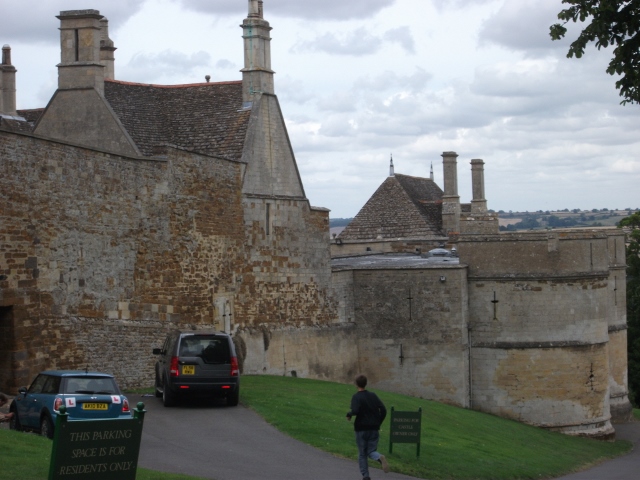
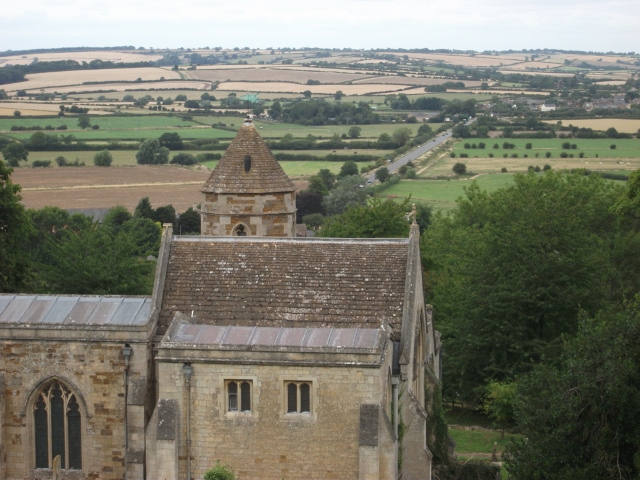
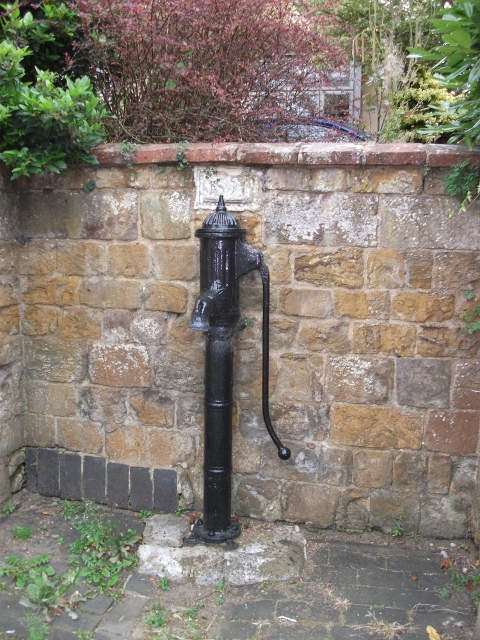
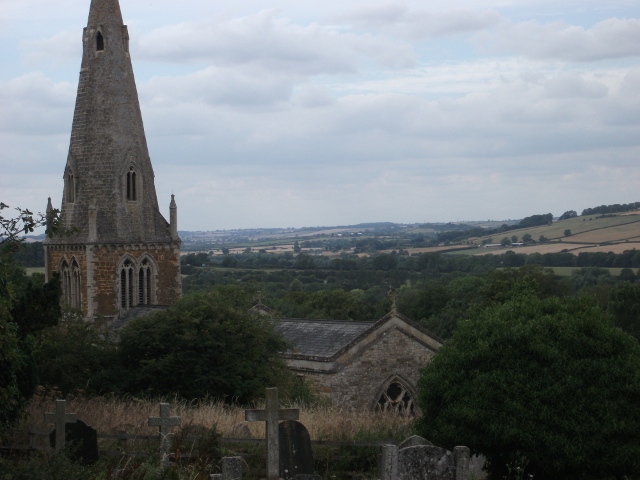
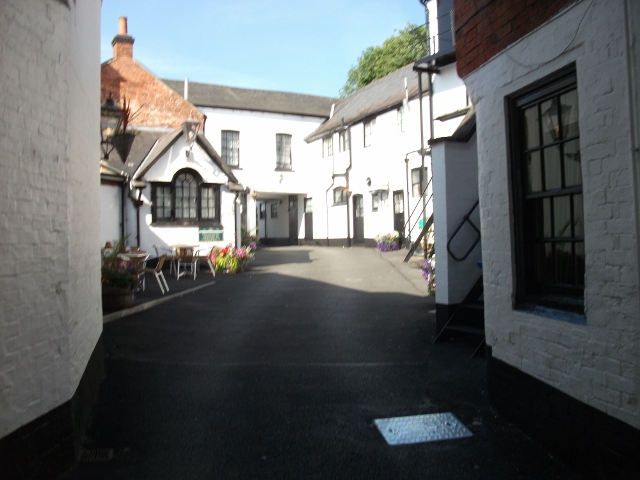
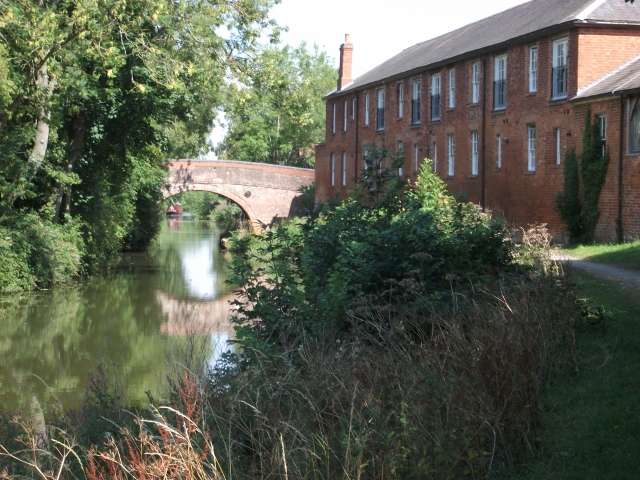
I've just returned from a research trip down to the Northamptonshire/Leicestershire border which is the setting for 'The Sculthorpe Mystery.' I was absolutely stunned at how beautiful the area was. It really is very pretty - and full of history. These pictures show Rockingham Castle, the villages of Middleton and Cottingham, The Angel Inn in Market Harborough and a view of the canal. Everyone of these places will feature in 'The Sculthorpe Mystery.'
Picture
Rockingham Castle, Northamptonshire
Picture
The view from Rockingham over the Welland Valley
Picture
Nineteenth century waterpump in Middleton, the scene of the crime
Picture
St Mary Magdalene, Cottingham, Northamptonshire
Picture
The Angel Inn, Market Harborough
Picture
The canal, Market Harborough
0 Comments

News: The Harrogate Crime Festival

18/7/2015

0 Comments


Thomas & Mercer Author Reunion

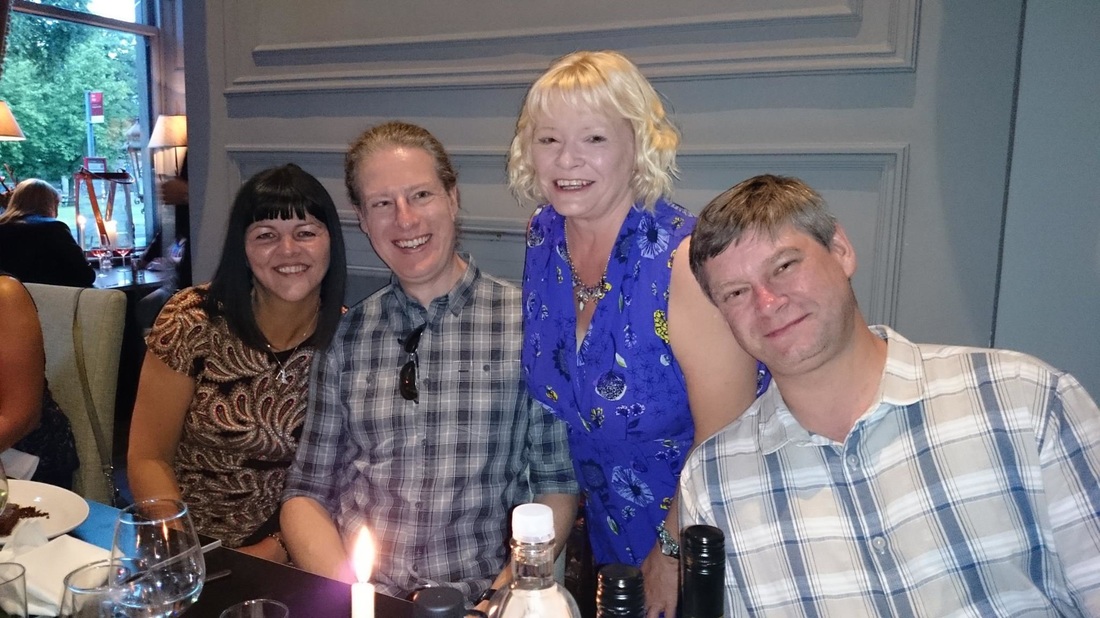
I didn't take part in this years' Crime Festival in Harrogate but Amazon Publishing threw a slap-up meal for their authors at The White Hart Hotel and invited me to come along too. As Harrogate is virtually on my doorstep, I was happy to attend and and had a fabulous time. It was great to meet up with old friends and make some new ones too.
Picture
Enjoying myself with fellow Thomas & Mercer authors, Mel Sherrat, Keith Houghton and Alan McDermott
0 Comments

News: The Blackpool 'Wordpool' Festival

6/7/2015

0 Comments


'Oh, I do like to be beside the seaside...'

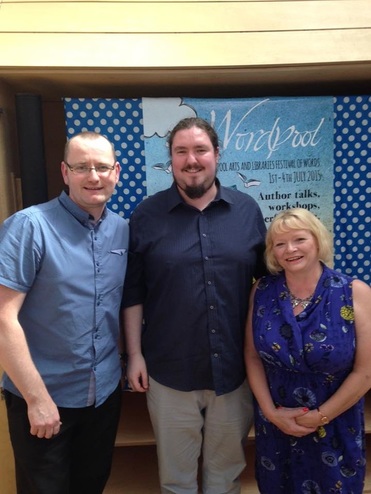
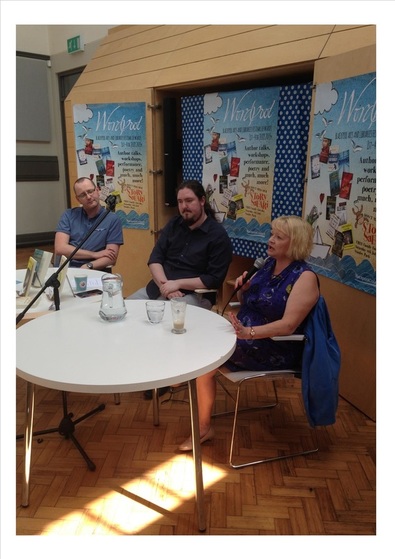
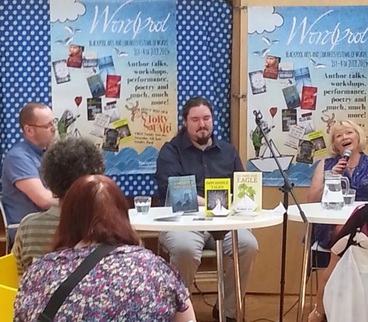
Last Friday I took part in the 'Wordpool' Book Festival in Blackpool, organised by the town's libraries. I joined a panel discussing innovative ways to succeed in self-publishing.  It was a glorious day and great fun, although, sadly, over far too quickly. The event was well-organised, well-attended and the suggestions and comments made by fellow author, Dan Worsley,and myself seemed to be well-received.

Here's some photos from the event.
Picture
With Dan Worsley (left) and our fab interviewer, John Simpson Wedge.
Picture
Taking questions from the audience
Picture
0 Comments

News: 'The Crossing the Tees' Book Festival

22/6/2015

0 Comments


Fabulous event in Stockton

Picture
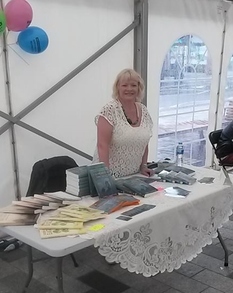
I had a wonderful day at the 'Crossing the Tees' Book Festival in Stockton last Saturday. I gave my little talk, met some lovely people (including several of my ex-pupils) and I sold 17 books. I really enjoy meeting people and leaving the study and the computer for a while - especially now that my latest novel is starting to absorb me. A distraction now and then is a good thing. The whole event was very friendly, great fun and well-organised. Loved it - and I'm keeping my fingers crossed that they will invite me back again next year! 

0 Comments
<<Previous
    For an occasional newsletter containing news, events and other information from historical novelist, Karen Charlton, please subscribe to the mailing list below.

    Archives

    February 2026
    October 2025
    February 2024
    June 2023
    March 2023
    January 2023
    November 2022
    October 2022
    September 2022
    August 2022
    June 2022
    April 2022
    January 2022
    December 2021
    November 2021
    August 2021
    July 2021
    October 2020
    September 2020
    August 2020
    May 2020
    April 2020
    March 2020
    February 2020
    January 2020
    December 2019
    November 2019
    October 2019
    April 2019
    March 2019
    February 2019
    November 2018
    June 2018
    April 2018
    November 2017
    October 2017
    August 2017
    June 2017
    April 2017
    January 2017
    December 2016
    October 2016
    July 2016
    June 2016
    May 2016
    April 2016
    March 2016
    February 2016
    January 2016
    December 2015
    November 2015
    October 2015
    September 2015
    August 2015
    July 2015
    June 2015
    May 2015
    April 2015
    March 2015
    February 2015
    January 2015
    December 2014
    November 2014
    September 2014
    August 2014
    June 2014
    February 2014
    May 2013
    April 2013
    March 2013
    February 2013
    January 2013
    December 2012
    November 2012
    October 2012
    September 2012
    August 2012
    July 2012
    June 2012
    May 2012
    March 2012
    January 2012
    December 2011
    November 2011
    October 2011
    September 2011
    August 2011
    July 2011
    June 2011
    May 2011

    Categories

    All
    Articles
    Book Reviews
    Catching The Eagle
    Crime Fiction
    Dancing With Dusty Fossils
    Death At The Frost Fair
    Events
    Favourite Authors
    February 1809
    Genealogy
    Getting Published
    Guests
    Having Fun
    Historical Fiction
    Literary Awards
    Marketing
    Murder In Park Lane
    Musings On Life
    News
    Non Fiction
    Non-Fiction
    Northumberland
    Plague Pits & River Bones
    Reading For Pleasure
    Research
    Sales News
    Seeking Our Eagle
    Smoke & Cracked Mirrors
    Stephen Lavender
    Talks And Workshops
    The Border Reivers
    The Death Of Irish Nell
    The Detective Lavender Series
    The Gemma James Mysteries
    The Golden Age Of Crime Fiction
    The Heiress Of Linn Hagh
    The Missing Heiress
    The Mystery Of Mad Alice Lane
    The Mystery Of The Skelton Diamonds
    The Piccadilly Pickpocket
    The Poisoned Quill
    The Resurrection Mystery
    The Sans Pareil Mystery
    The Sculthorpe Murder
    The Willow Marsh Murder
    The York Ladies' Detective Agency Mysteries
    Writing In General

    RSS Feed

Powered by Create your own unique website with customizable templates.